

States

Villages

People

Community Institutions

People organized in Community Institutions

Community Cadres Trained

Families Supported in Water Conservation

Families Food Secure Round The Year

Families assisted with water, agriculture, horticulture and livestock rearing activities
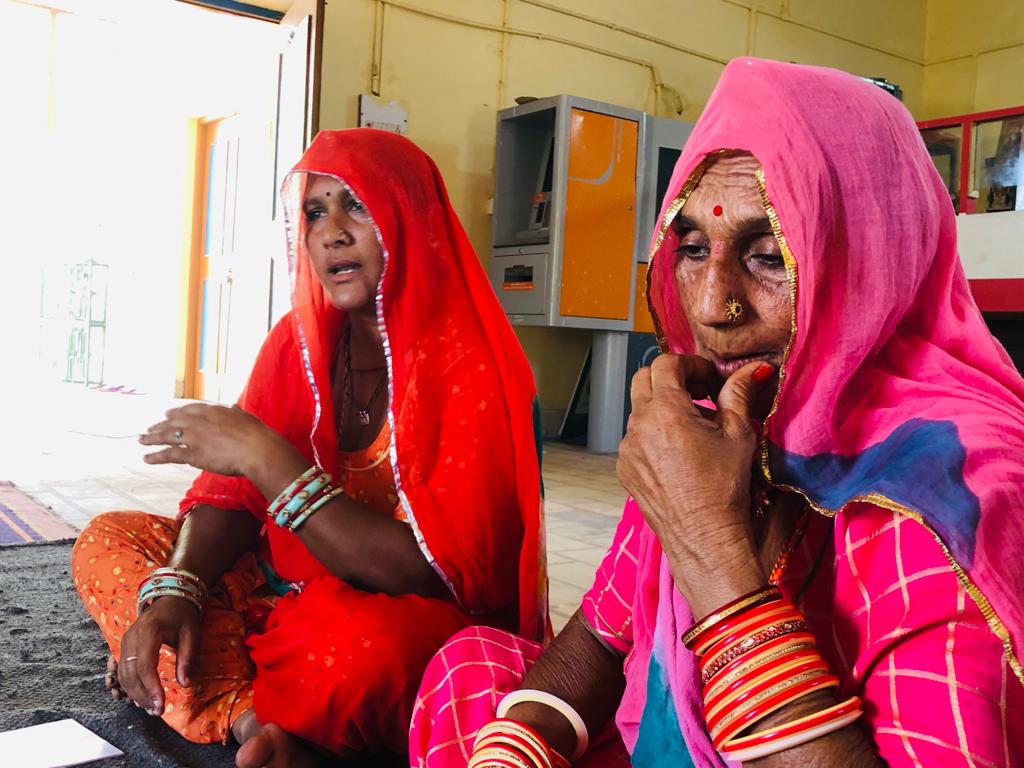
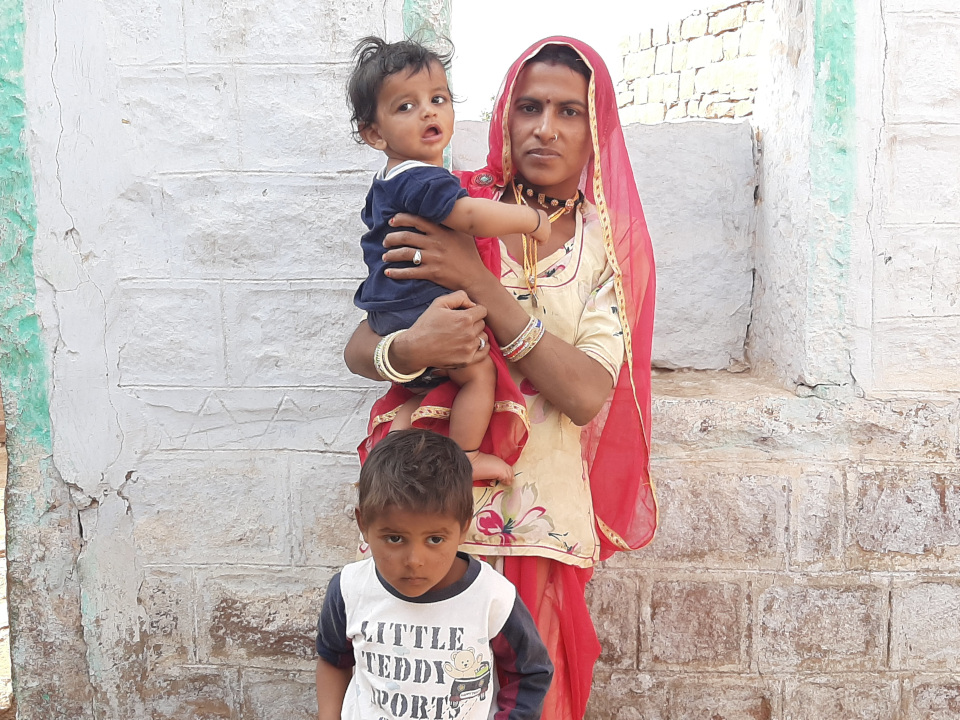
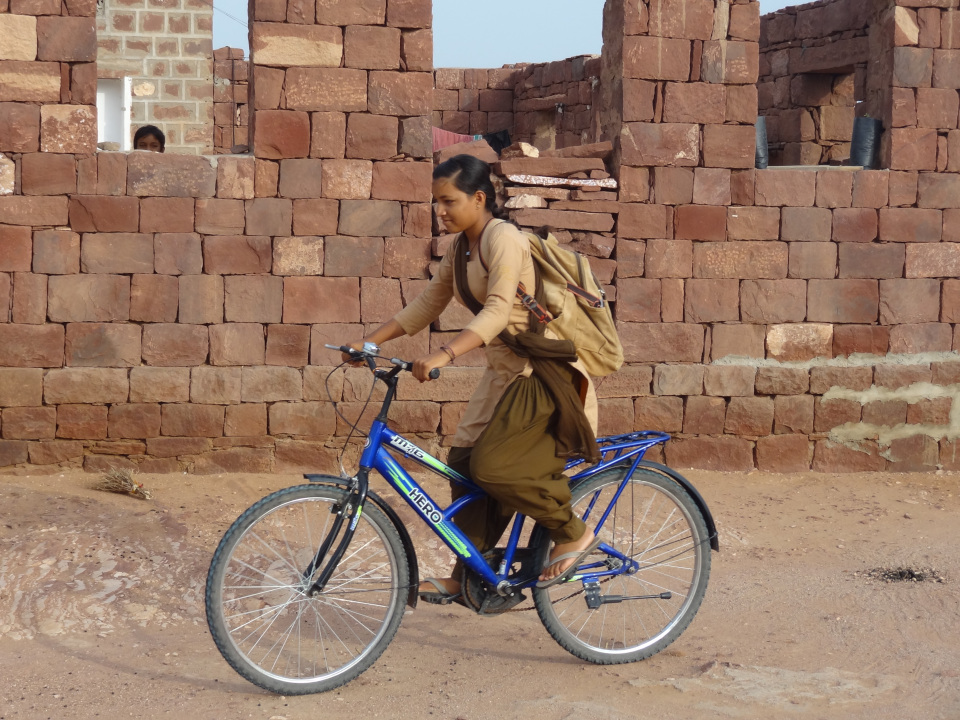
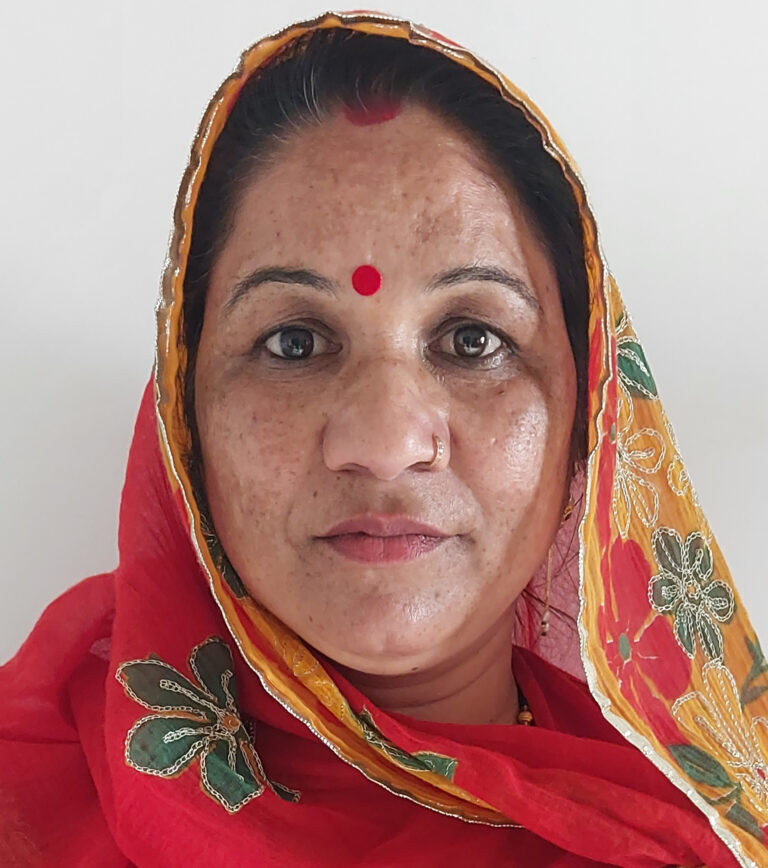
It is only because of GRAVIS I have overcome my hesitation to speak in front of people. Multiple activities are happening in our village and our lives are becoming better one day at a time. A sewing centre was recently inaugurated where I learnt to stitch. I earn money from the clothes I stitch for people. I have become financially independent and want to ensure the wellbeing of my family with my savings.
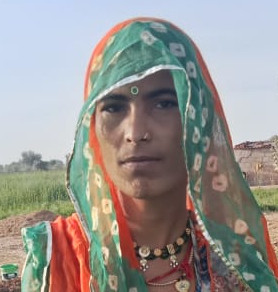
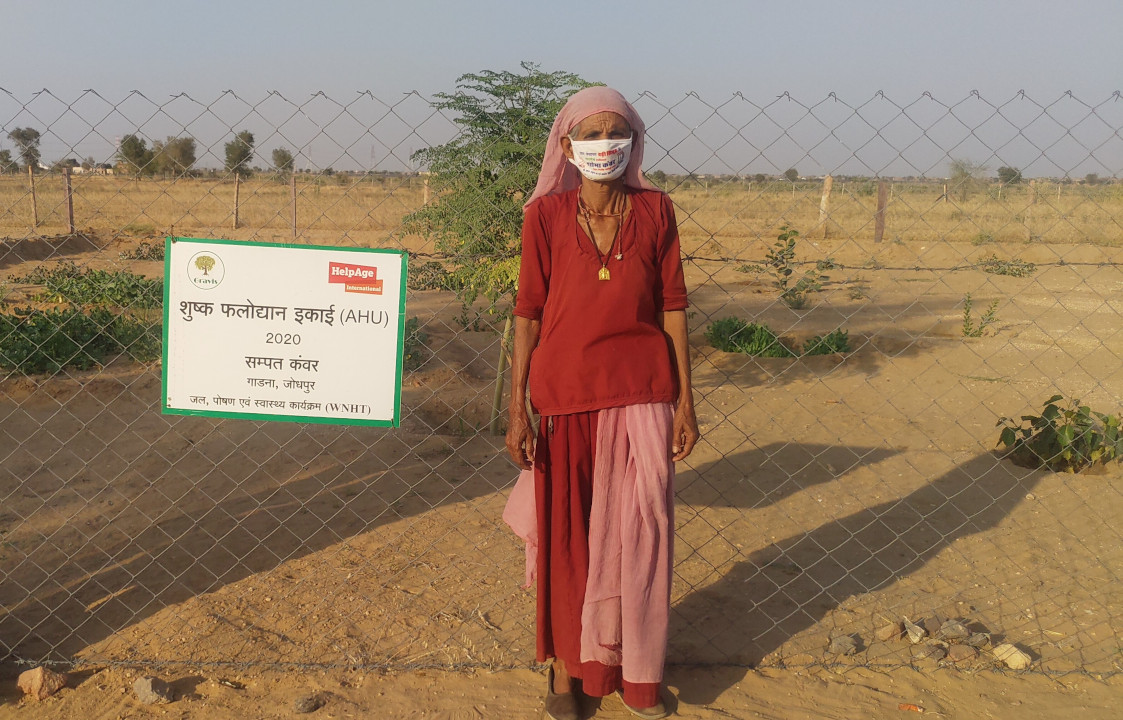
GRAVIS has always encouraged me to attend training and learn. Currently, I am a part of this project that motivates us to do natural farming. I feel valued as I work towards the betterment of my family and others in my village and I am immensely thankful to GRAVIS for their support.
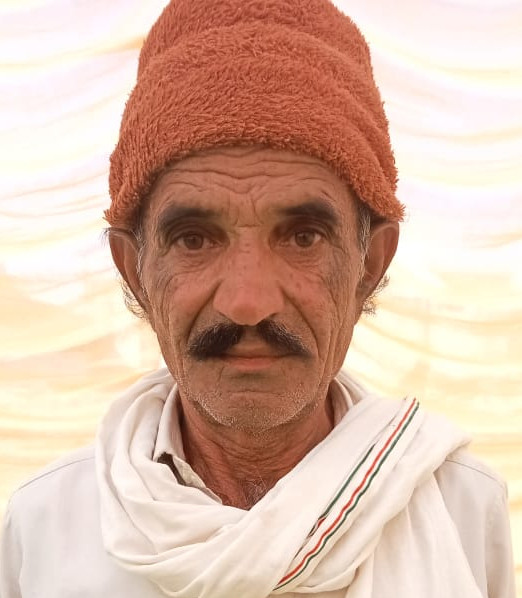
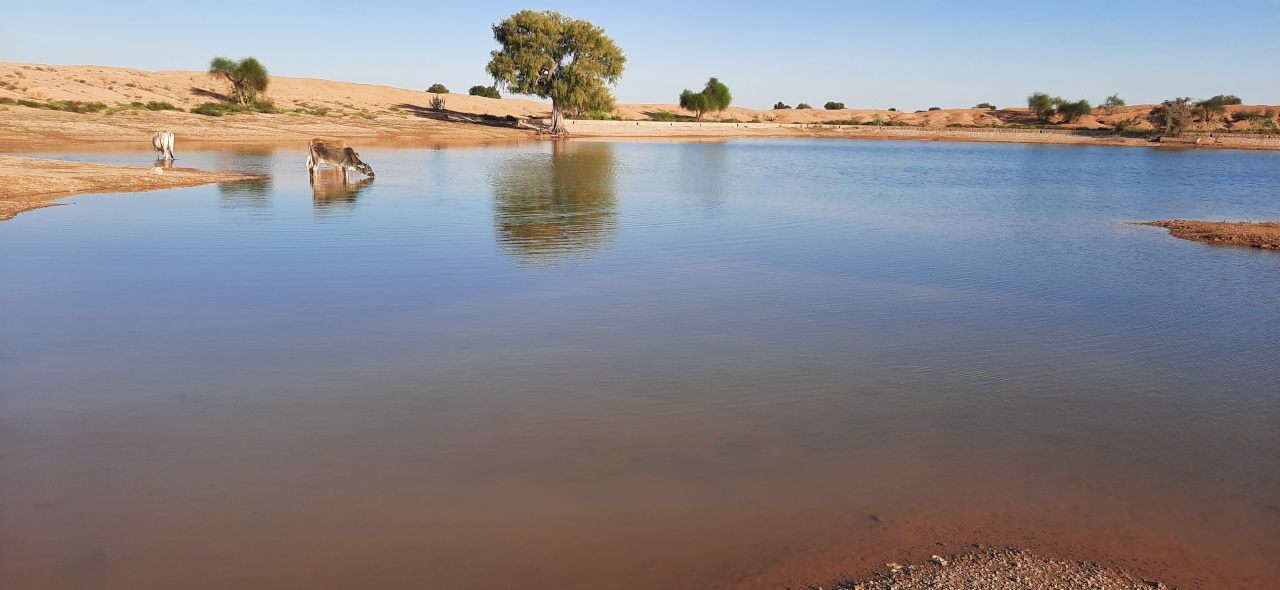
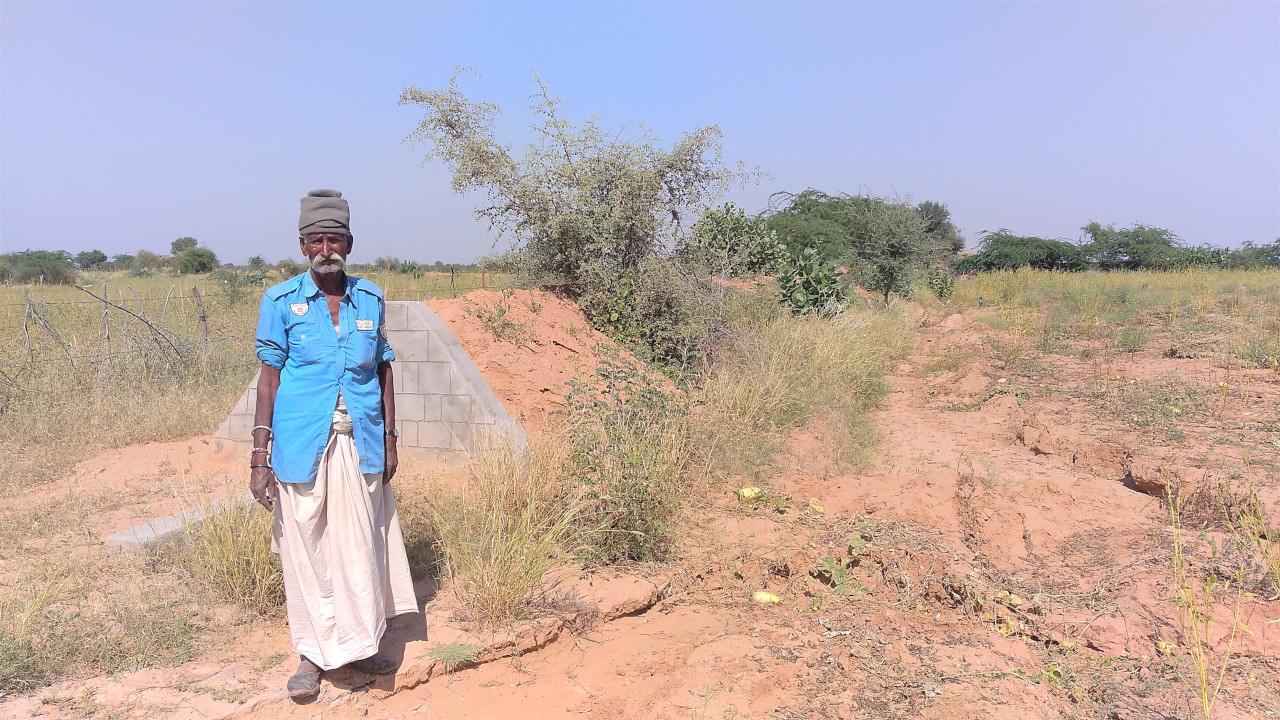
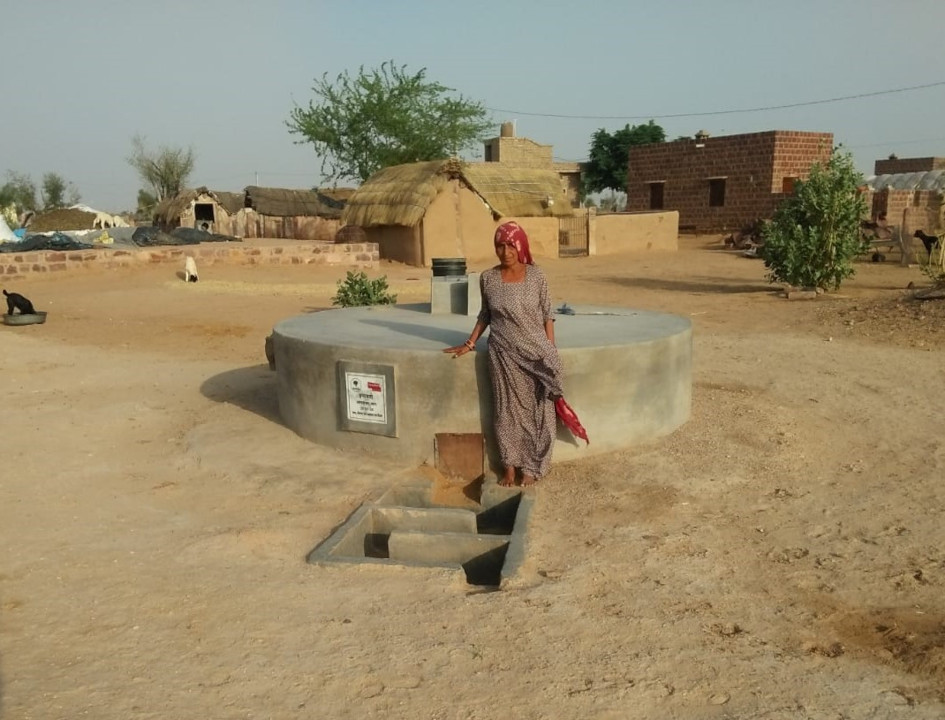
We have lived in water scarcity for years together. Our women would fetch water from far away for all family members and animals. They would spend an entire day doing this physically demanding task. GRAVIS has built many Taankas in our village and with that our water related issues are gradually reducing.
Hayden Kantor
GRAVIS is a special organization. It has made a real difference in the life of the villagers of the Thar. It is well run and the people here are passionate about what they do. Coming to work each day is inspiring. It’s so great to have a job/internship/volunteer experience where you gain practical skills and make a meaningful contribution at the same time.
Pentti Hanlon
The networking capabilities of GRAVIS are one of its most impressive features. GRAVIS has strong relationships with countless members of the local scientific community; many of whom are current or former government employees. GRAVIS staff seems to work in a cooperative, nonhierarchical way. Neither absenteeism nor apathy are characteristics of GRAVIS staff. Transparency is also an obvious tenet of GRAVIS’ work.
Pratik Tandon
During my internship, I was fortunate enough to visit the field and witness the ground reality firsthand. I was dismayed to discover the living conditions of people and difficulties of this harsh terrain, but at the same time I was relieved as there are organizations like GRAVIS that work relentlessly to improve the well-being of desert communities. The success of their interventions reflected positively in the attitude of community members.